
Celestial Events
Astrology and skywatching news: horoscope trends, zodiac stories, moon phases, eclipses and celestial events, curated from trusted sources.
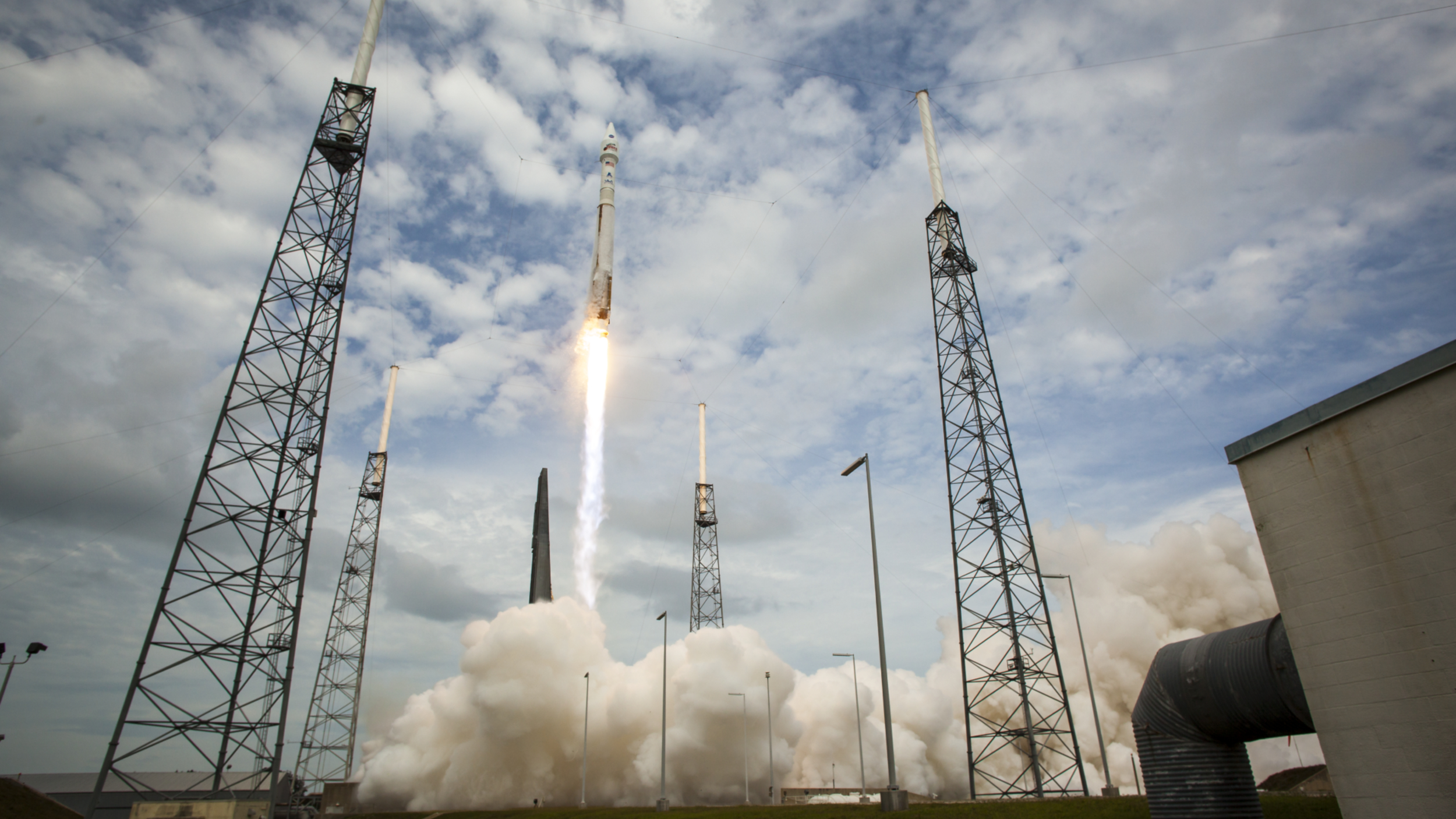
On this day in space! Nov. 18, 2013: NASA launches MAVEN spacecraft to Mars to find out how the Red Planet lost its water
On Nov. 18, 2013, NASA launched the MAVEN spacecraft toward Mars to investigate how the planet lost its water. Scientists believe the loss of Mars' atmosphere caused surface water to dry up.
By Surya
Leonid meteor shower peaks over Mid-MO tonight
The Leonid meteor shower reaches its peak over Mid-MO on Monday night, offering a chance to see a fireball. The Leonids happen each year in mid-November as Earth crosses debris from comet Tempel-Tuttle.
By Hemeswari
The Thrill of the Crowd
The Mars-Jupiter conjunction in Leo remains the main focus, encouraging boldness and showmanship that attract attention. Both performer and audience share in the experience and a common sense of purpose.
By Hemeswari
Magnificent Nerve
Florence Foster Jenkins, a wealthy amateur soprano, performed with remarkable confidence despite poor singing and eventually sold out Carnegie Hall. The Mars-Jupiter conjunction in Leo is said to highlight the audacity that makes you lose all.
By Nagi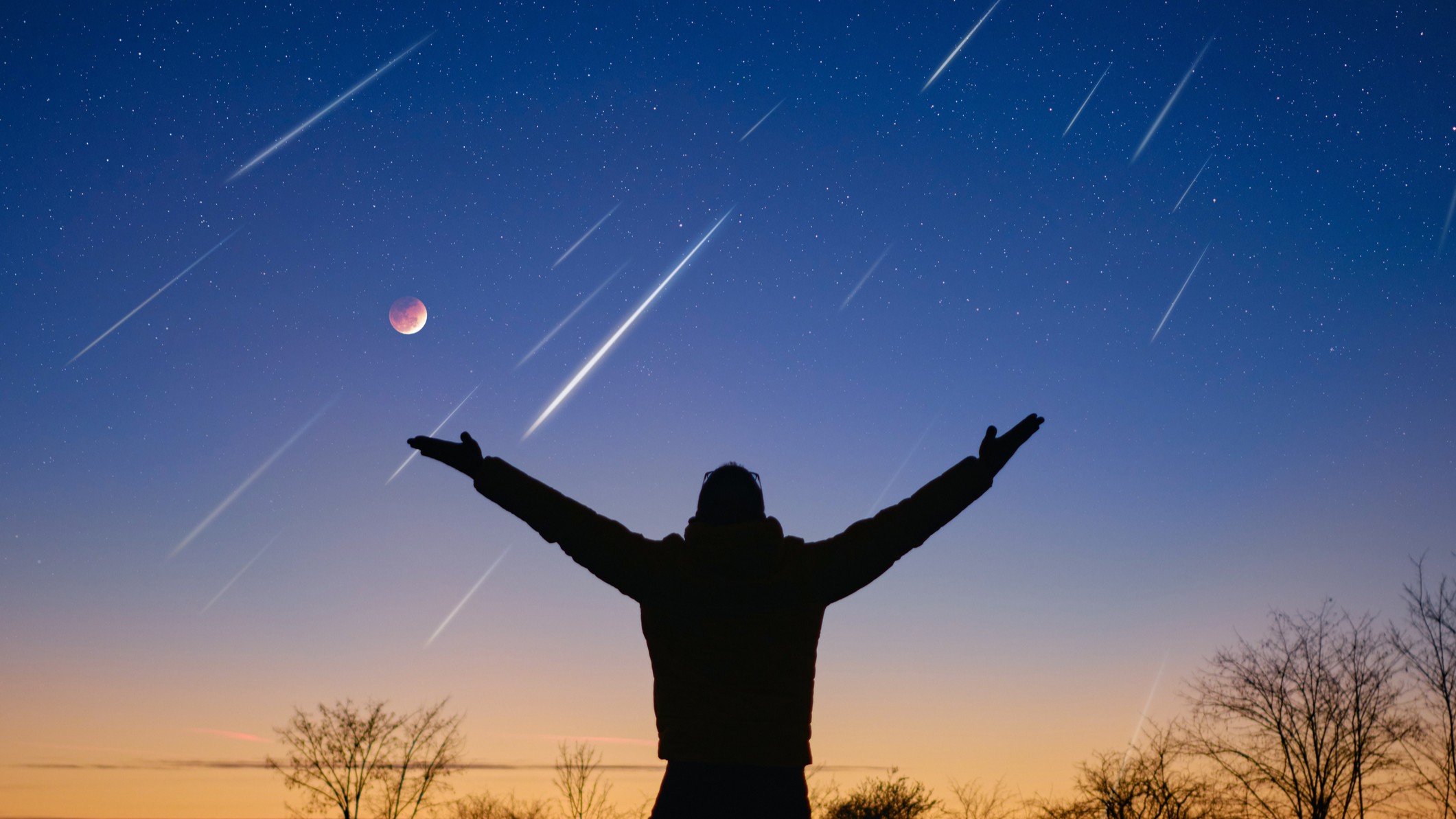
60 years ago the Leonid meteor shower produced 144,000 meteors per hour. Could it happen again?
Six decades ago the Leonid meteor shower produced 144,000 meteors per hour, one of the most spectacular meteor storms on record. With the 2026 peak approaching, skywatchers are considering whether such an event could recur.
By Jaysurya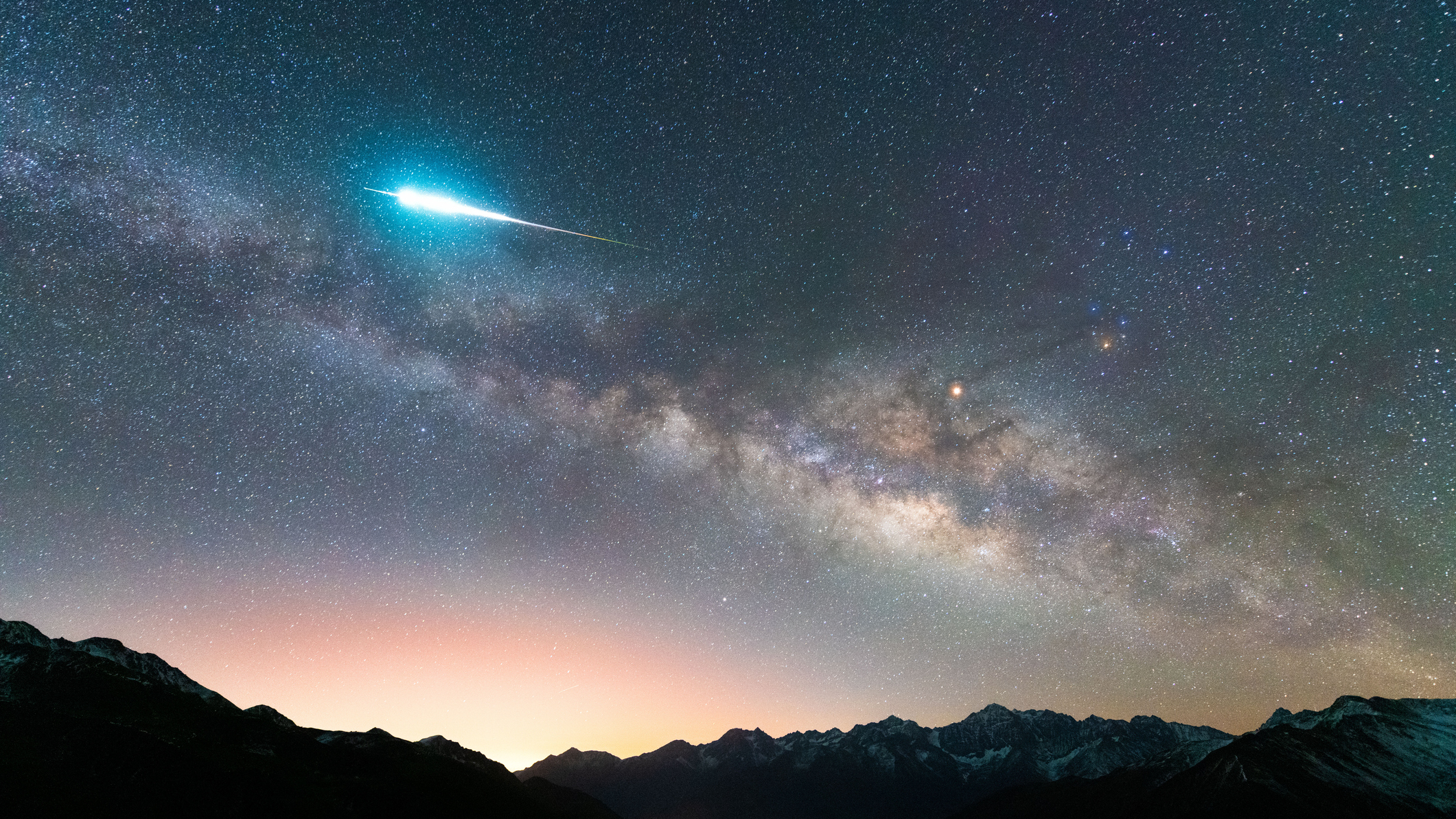
The Taurid meteor shower peaks tonight - and fireballs could steal the show
The Taurid meteor shower reaches its peak tonight, and fireballs may be the highlight. According to Space.com, the shower could produce dazzling fireballs over the coming weeks, with details on when and where to watch.
By Jaysurya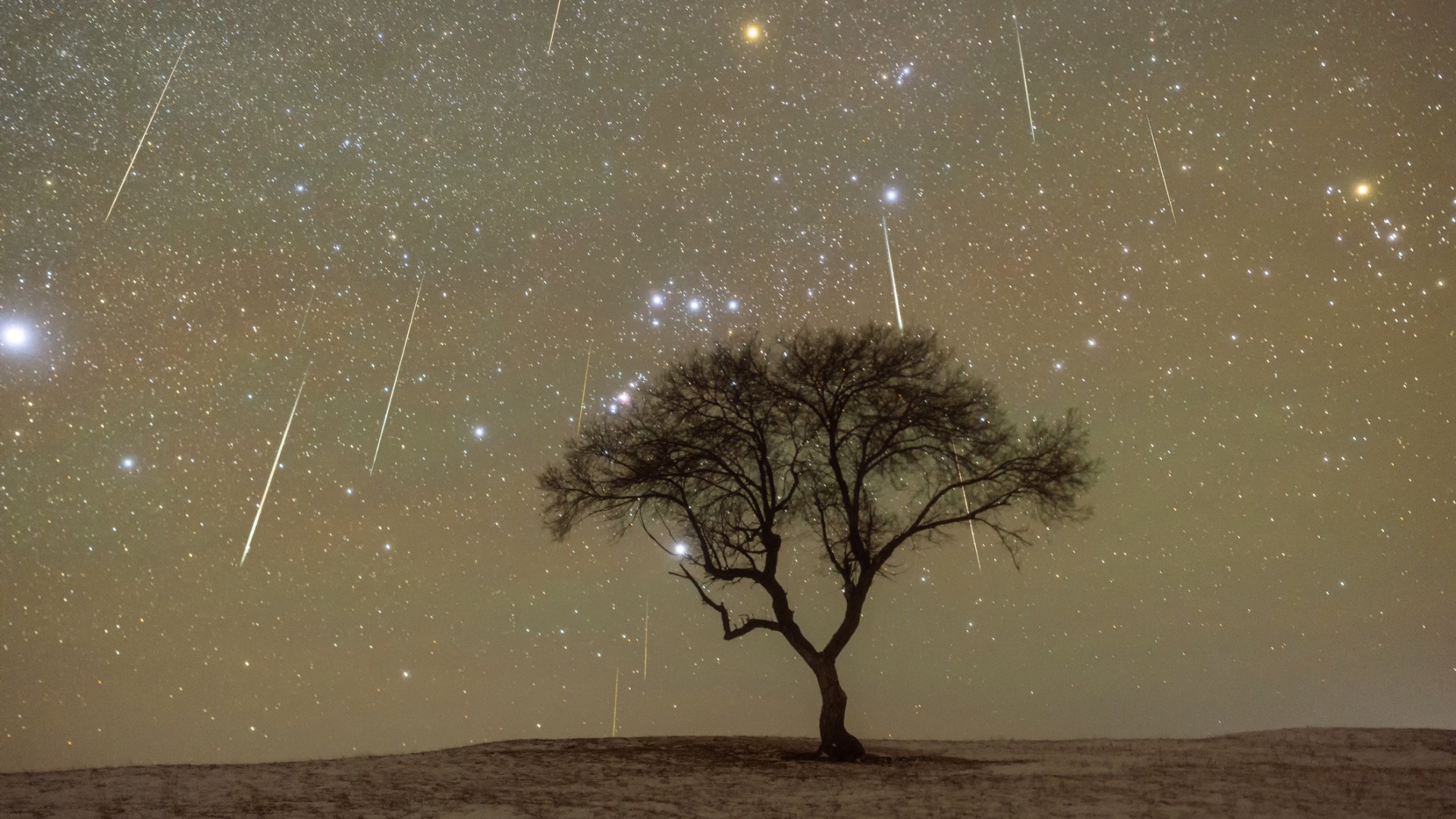
When not to watch a meteor shower - why I'm not staying up for the Orionids
The Orionid meteor shower peaks next week, but a bright moon will make much of the night less than ideal. Space.com notes that sometimes the sensible choice is staying in bed and getting up early instead.
By Manishankar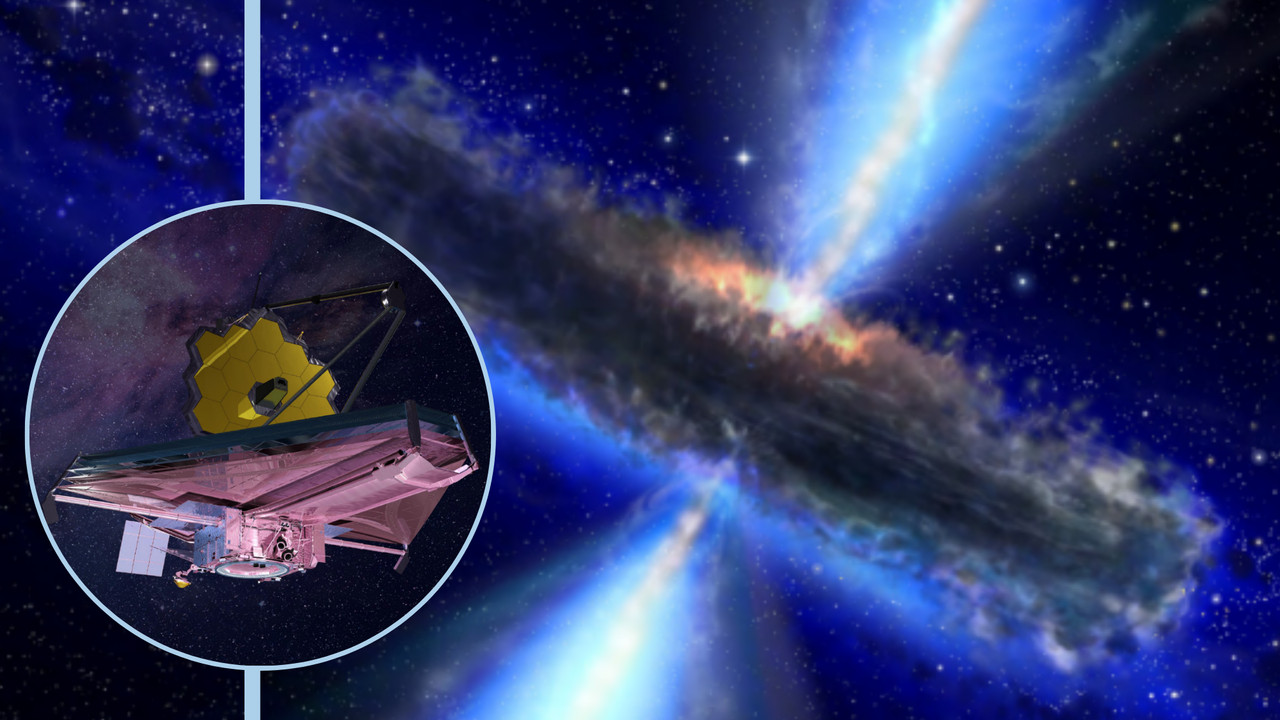
James Webb Space Telescope observes 72 stars and finds planet formation is a race against time
Observations of 72 young sun-like stars via the James Webb Space Telescope indicate that planet formation must occur swiftly, before conditions change. The findings highlight a time-sensitive process in early stellar systems.
By Jaysurya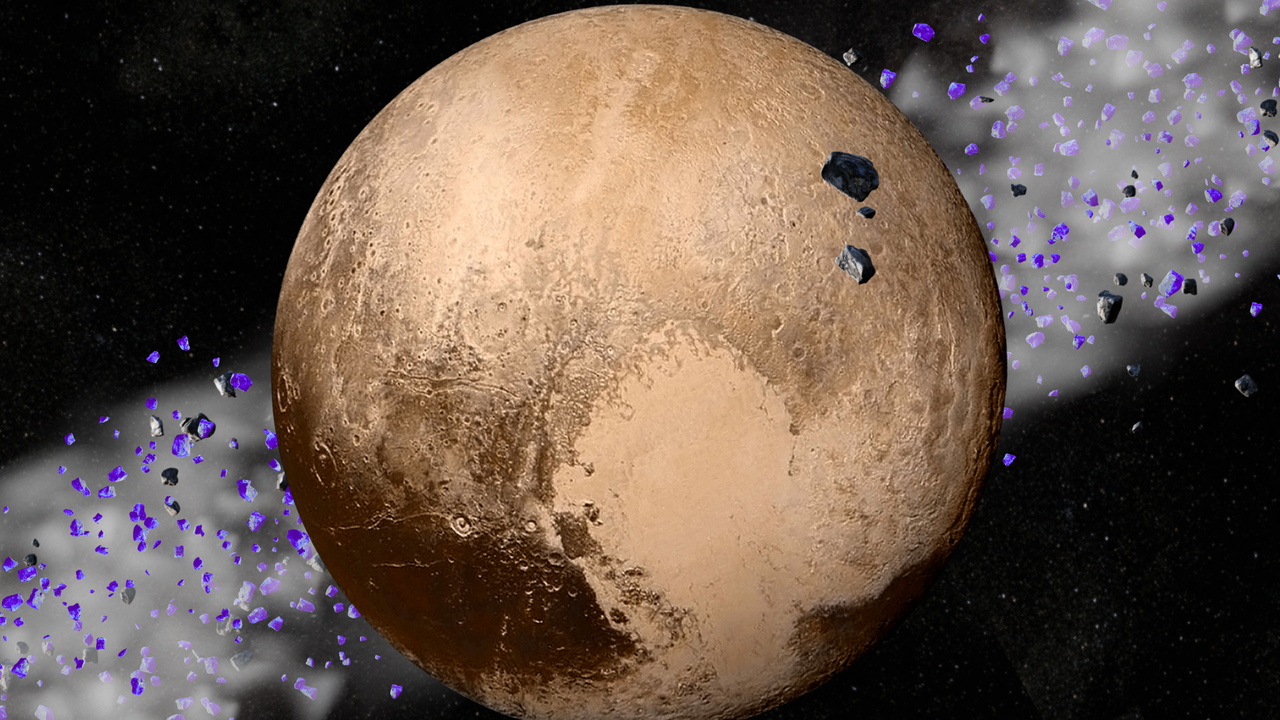
Pluto losing its planet status may be the best thing that ever happened to solar system diversity
The reclassification of Pluto as a dwarf planet is argued to have improved scientific understanding and benefited the former planet itself. This shift is seen as a positive development for solar system diversity.
By JaysuryaEvery story links to the publisher that reported it. Horosly summarises and credits the original reporting; it does not republish it. Read the full article at the source. Disclaimer